Share
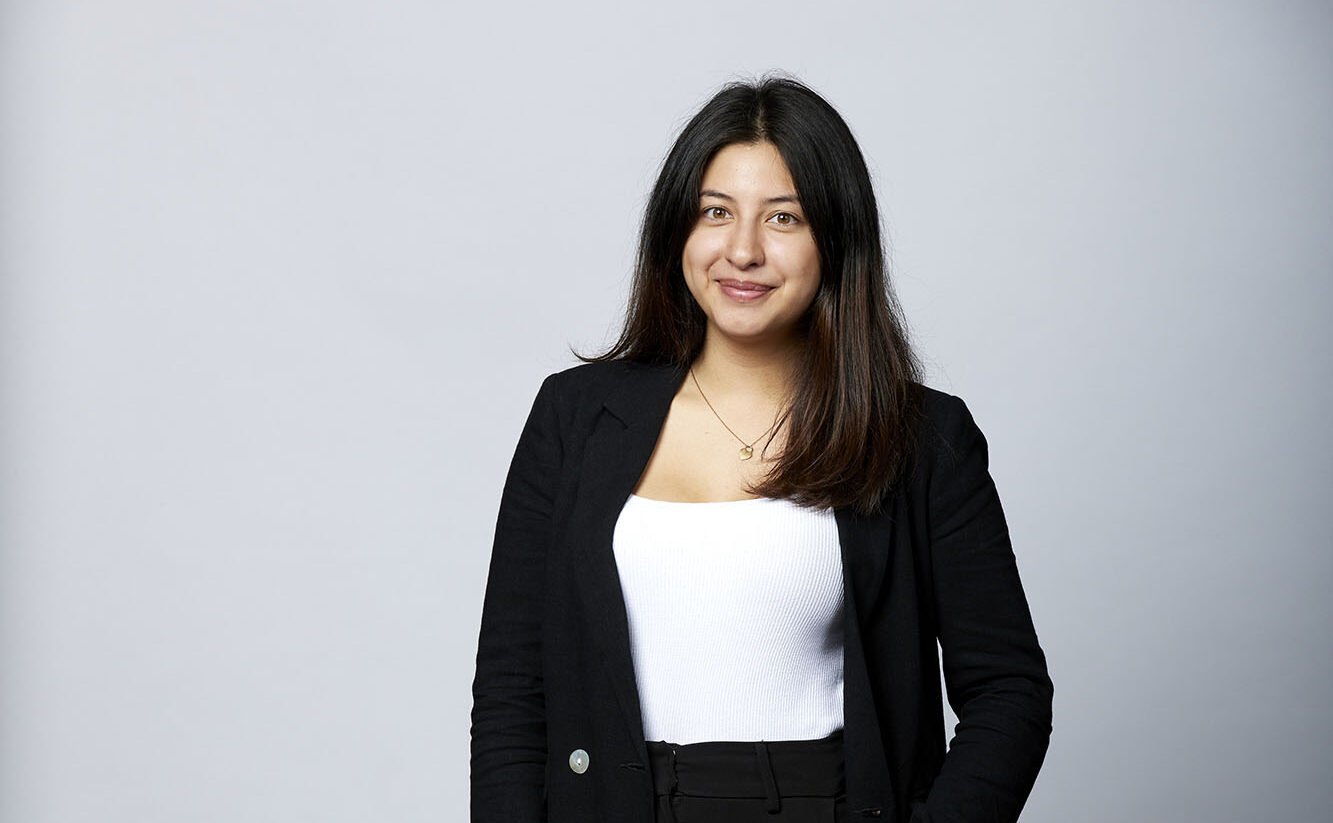
2nd October, 2026
Share
It’s one of the most common questions we get asked at Lightbulb Studio, and it’s a great one to ask. What you wear has a surprisingly big impact on how your headshot turns out — not because fashion matters more than skill, but because the right clothing choices eliminate distractions and let the focus stay exactly where it should be: on you.
We’ve photographed hundreds of Canberra professionals, government leaders, executives, and entire corporate teams. Here’s everything we tell our clients before they walk through the studio door.
Stick to Solid Colours — and Choose Them Carefully
This is the single most important rule. Solid colours almost always photograph better than patterns, because busy prints and bold graphics pull the viewer’s eye away from your face.
Colours that tend to work well:
Colours and patterns to be cautious with:
If you’re doing a corporate headshot for your company’s website or a government profile, check whether your organisation has brand colours. Wearing a subtle nod to your brand palette — without going overboard — can reinforce consistency across your team’s imagery.
Dress for the Role You Want to Be Seen In
Your headshot is a professional first impression, so dress for the level of professionalism you want to communicate — and the industry you work in.
In Canberra’s government and legal sectors, a well-fitted blazer or suit jacket reads as authoritative and trustworthy. For consultants and corporate professionals, business casual works well. For creative industries or tech, you might have more flexibility to show personality through colour or a less formal silhouette.
A helpful way to think about it: imagine you had an important client meeting or a presentation to a senior stakeholder today. What would you wear? That’s your headshot outfit.
Fit Matters More Than Brand
An expensive outfit that doesn’t fit well will photograph poorly. A modest, well-fitted piece will photograph beautifully every time.
Before your session, check that your clothing sits correctly on your shoulders, doesn’t pull across the chest or upper back, and looks the same sitting as it does standing. Headshots are often taken from the chest up, so the shoulder and neckline area is particularly visible.
Necklines and Layers
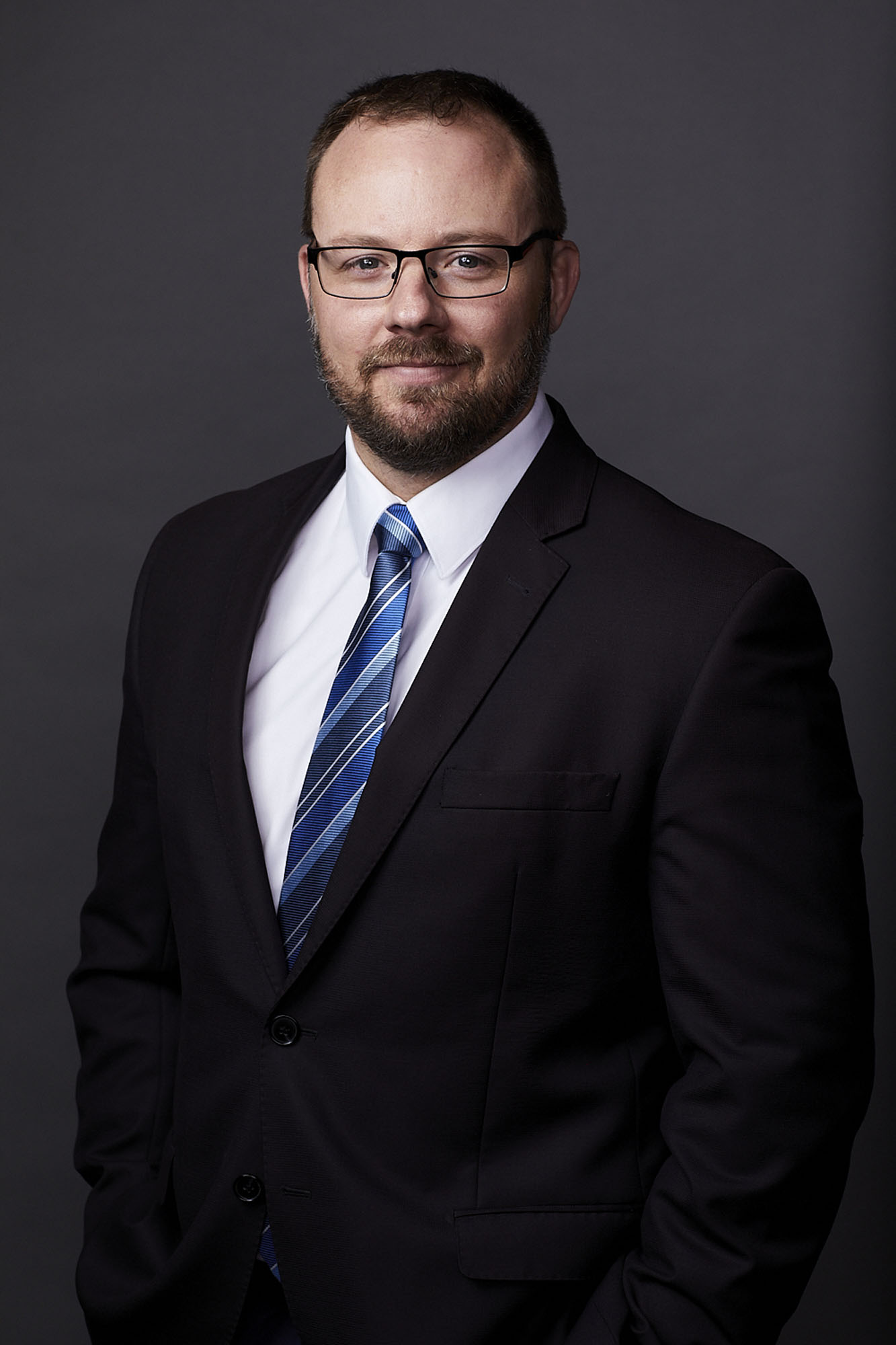
The neckline of your top or jacket frames your face, so it’s worth thinking about. V-necks and open collars tend to be flattering because they draw the eye upward. High crew necks can work well but can sometimes feel heavy depending on the background and your colouring.
Layering — a blazer over a shirt, a jacket over a blouse — almost always reads well on camera. It adds structure, depth, and a polished quality that a single flat layer sometimes lacks.
Jewellery, Accessories, and Glasses
Less is more. Simple jewellery — small earrings, a classic watch, a minimal necklace — tends to add a finished quality without competing with your face for attention. Large, dangling, or very shiny pieces can catch the light in distracting ways.
If you wear glasses, let us know before your session. We’ll adjust the lighting to minimise glare and reflections. If you have the option to wear contacts, that’s worth considering — not because glasses look unprofessional, but because reflections can be tricky even with the best lighting setup.
What to Bring on the Day
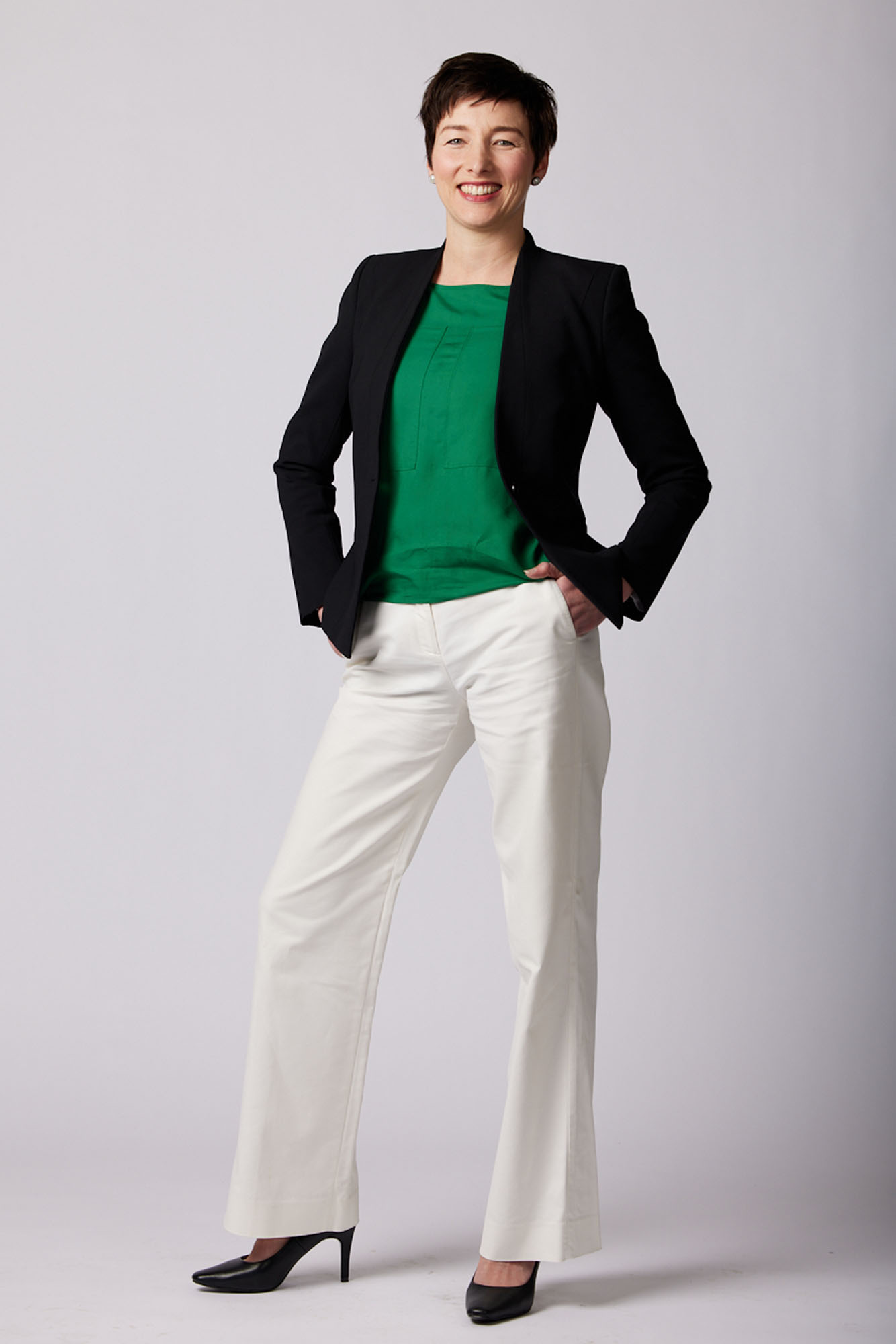
We always recommend bringing two or three outfit options to your session. Even if you’re confident in your choice, having an alternative gives you flexibility. Our studio has a comfortable change area, so there’s no pressure to decide before you arrive.
A few other things worth preparing:
One Last Thing
The most important thing you can bring to a headshot session has nothing to do with your outfit. It’s a clear understanding of how you want to be seen — confident, approachable, authoritative, warm — and a willingness to trust the process.
When you leave with a headshot you’re proud of, the outfit will be the last thing you’re thinking about.